
Inkwell Marketing Group

Author: Inkwell Marketing Group LLC

  • Content Marketing Trends 2025: Dominating with Authenticity and Video

    three men sitting on chair beside tables

    Introduction to Content Marketing Trends for 2025

    As we approach 2025, the realm of content marketing is undergoing significant transformations that warrant the attention of businesses eager to maintain a competitive edge. Staying updated with the latest content marketing trends is crucial, as the landscape is not only vast but also continuously evolving. Companies must be agile in their strategies, adapting to the changes that shape consumer behavior and preferences.

    One of the most notable trends on the horizon is the ascendancy of video marketing. With the proliferation of social media platforms and the increasing consumption of video content among audiences, brands are discovering new and effective ways to engage potential customers. Video marketing not only facilitates storytelling but also enhances user interaction, making it an indispensable aspect of content strategies moving forward into 2025.

    In addition to video content, brand authenticity is becoming paramount. In a digital age where consumers value transparency and genuine connections, businesses must prioritize authentic narratives that resonate with their audience. Building trust through honest and relatable content not only enhances brand loyalty but also helps businesses differentiate themselves in a crowded market.

    Moreover, the integration of AI-generated content is revolutionizing the way companies approach content creation. As artificial intelligence technologies advance, they allow for the production of high-quality content at an unprecedented scale and speed. This trend empowers marketers to innovate and optimize their strategies efficiently, aligning content with real-time data and consumer insights.

    In summary, the importance of adapting to these content marketing trends in 2025 cannot be overstated. The rise of video marketing, the emphasis on brand authenticity, and the utilization of AI-driven solutions will define the future of content strategy, encouraging businesses to evolve their methodologies to meet the expectations of their audience.

    The Rise of Video Content

    In recent years, there has been a significant shift in content marketing trends, particularly in the realm of video marketing. As consumers increasingly favor visual content, brands are adapting their strategies to cater to this rising demand. The ability of video to engage audiences effectively has made it a dominant form of communication within digital marketing, making it vital for brands to embrace this evolution.

    One of the key reasons behind the soaring popularity of video content is its impact on engagement rates. Research shows that videos can increase engagement rates significantly—by as much as 1200% on social media. This surge can be attributed to the attention-grabbing nature of video, allowing companies to convey their messages in a quick and visually appealing manner. In the fast-paced world of digital content, consumers prefer content that delivers information efficiently, and video serves this purpose exceptionally well.

    Furthermore, the rise of short-form video platforms such as TikTok and Instagram Reels has revolutionized how brands approach content marketing. These platforms encourage brief, compelling storytelling, making it easier for companies to connect with younger audiences who are often seeking authentic content. For example, brands like Gymshark have seen enormous success on these platforms by leveraging user-generated content and engaging directly with their community. This approach not only enhances brand authenticity but also showcases genuine user experiences, which resonate well with modern consumers.

    Statistics indicate that by 2024, video content is expected to account for 82% of all online traffic. Success stories abound, with companies like Airbnb and Dollar Shave Club utilizing creative video campaigns to captivate audiences and drive conversions. As we look towards the future, particularly in analyzing content marketing trends for 2025, it is clear that brands must invest in video marketing to maintain relevancy and foster authentic connections with their customers. The burgeoning landscape of video content will undoubtedly shape the strategies of brands aiming for success in the ever-competitive digital arena.

    Authenticity: Building Trust with Your Audience

    As we progress into 2025, the demand for authenticity in marketing is becoming increasingly significant. Today’s consumers are more discerning than ever, seeking brands that not only meet their needs but also resonate with their values. They favor companies that communicate transparently and genuinely. This shift towards authenticity is closely tied to the broader content marketing trends 2025 that place emphasis on human connection and brand storytelling.

    Brands can cultivate this desired authenticity through various strategies. Firstly, storytelling is a powerful tool that allows companies to share their mission, vision, and values effectively. By weaving personal anecdotes or customer success stories into their marketing narratives, brands can connect with their audience on an emotional level. For instance, brands like Patagonia have mastered this technique by highlighting their commitment to environmental sustainability, weaving their authentic story into every campaign.

    Another effective strategy for fostering authenticity is through user-generated content. Encouraging customers to share their experiences with your products not only showcases genuine opinions but also builds community around your brand. For instance, GoPro leverages user-generated videos to highlight the excitement of their cameras, thus embodying both authenticity and video marketing trends that resonate with their audience.

    Additionally, incorporating customer feedback into product development and marketing strategies is vital. By actively listening to and responding to customer insights, brands demonstrate that they value consumer input, further enhancing trust. Companies like Starbucks have successfully implemented this by frequently engaging with their customers through social media, creating a feedback loop that encourages customer interaction.

    Ultimately, embracing brand authenticity leads to numerous benefits, such as increased customer loyalty, enhanced brand reputation, and higher engagement rates. As we move forward, brands that prioritize authenticity will thrive in the competitive landscape shaped by evolving content marketing trends 2024 and beyond.

    Harnessing AI-Generated Content

    The advent of artificial intelligence (AI) has revolutionized the landscape of content marketing, with significant implications for the trends of 2024 and beyond. Marketers are increasingly leveraging AI to streamline content creation processes, enabling businesses to produce a greater volume of material while minimizing resource expenditure. AI content tools facilitate the automation of various tasks, such as generating articles, social media posts, and video scripts, which can free up human resources for more strategic initiatives.

    One of the primary opportunities presented by AI-generated content lies in its ability to analyze user data and preferences, allowing brands to tailor their messaging more effectively. For example, Netflix utilizes AI algorithms to recommend content based on user behavior, demonstrating how video marketing can be enhanced through personalized, AI-driven suggestions. Furthermore, AI tools can help monitor trends in real time, enabling brands to stay ahead by adapting their content strategies to emerging preferences.

    However, the integration of AI into content marketing poses significant challenges. One major concern is the potential compromise of brand authenticity, as consumers increasingly value genuine connections with brands. Maintaining a human touch in AI-generated content is crucial, as over-reliance on automation can lead to generic outputs, which may fail to resonate with audiences. To combat this, companies should focus on using AI as a complementary tool rather than a complete replacement for human creativity and insight.

    Several companies have successfully navigated these challenges, exemplifying best practices in AI content utilization. For instance, the e-commerce brand H&M employs AI-driven recommendations to enhance customer engagement, combining automated insights with human oversight to ensure brand authenticity remains intact. As marketers look ahead to the content marketing trends of 2025, striking the right balance between AI efficiency and human creativity will be essential for sustaining audience connections and delivering impactful results.

    Actionable Tips for Adapting to Upcoming Trends

    As we look towards the future, businesses must remain agile and responsive to the evolving landscape of content marketing. Embracing innovative strategies will be key to capitalizing on the content marketing trends 2025. Here are several actionable tips to help organizations prepare for these changes.

    First and foremost, investing in video marketing should be a top priority. With the continued rise of visual content, integrating high-quality videos into your marketing strategy can significantly enhance engagement. Companies should consider diversifying their video output by exploring live streaming, tutorials, and behind-the-scenes content. Additionally, leveraging short-form videos can cater to the diminishing attention spans of online audiences, tapping into platforms such as TikTok or Instagram Reels.

    Another crucial strategy is to harness authentic voices in marketing. Today’s consumers value brand authenticity, and they are more likely to engage with brands that resonate with their values and beliefs. To achieve this, involve users and employees as integral parts of your content strategy by showcasing real testimonials and stories. This approach fosters trust and creates a community around your brand.

    Furthermore, leveraging AI content creation tools can streamline and enhance your content production efforts. These technologies can aid in generating insights, optimizing posts for SEO, and personalizing audience interactions. However, it is essential to maintain a balance between automated content and human touch to ensure authenticity remains intact.

    Finally, encourage a culture of innovation and flexibility among your content teams. Regularly analyze performance metrics to gauge the effectiveness of content marketing trends 2024, and be prepared to pivot strategies as needed. By staying informed, embracing new technologies, and focusing on genuine connections, brands can thrive in the evolving marketing landscape.

    Examples of Brands Leading the Content Marketing Charge

    In the rapidly evolving landscape of content marketing, several brands have emerged as pioneers by effectively integrating trends such as video marketing, AI content, and brand authenticity. These companies not only engage their audience but also set benchmarks for success. A notable example is Nike, which has skillfully utilized video content to tell authentic stories that resonate with its target market. Through their “Just Do It” campaign, Nike combined powerful visuals with real-life narratives, allowing consumers to connect emotionally. This strategy not only attracted attention but also increased brand loyalty, illustrating how video content can drive engagement and maintain relevancy.

    Another brand at the forefront of these content marketing trends is Starbucks. By leveraging AI content in its marketing strategies, Starbucks has personalized customer experience through tailored promotions and suggestions. The company’s use of data analytics enables them to create unique content that reflects consumer preferences, thereby enhancing brand authenticity. Through this approach, Starbucks has seen a significant boost in customer engagement, proving that integrating AI-driven strategies can lead to tangible results.

    Furthermore, the beauty brand Glossier exemplifies authenticity in its marketing approach. They empower their community by featuring user-generated content prominently on their social media platforms, effectively showcasing real customers using their products. This strategy not only fosters relatability but also reinforces trust, a crucial element in developing brand authenticity. Glossier’s impact is evident, as the brand has built a loyal customer base, with engagement metrics that outperform industry standards.

    These brands demonstrate that the integration of video marketing, AI content, and a commitment to brand authenticity are essential elements for successful content marketing trends in 2024 and beyond. By analyzing their strategies, other businesses can find inspiration and guidance on how to adapt their own content marketing approaches to keep pace with these emerging trends.

    Measuring the Success of Content Marketing Efforts

    Measuring the success of content marketing initiatives is essential for understanding their effectiveness and optimizing future strategies. As content marketing trends evolve, particularly with the rise of video marketing and AI content, it is crucial to utilize methodologies that accurately assess performance. Key performance indicators (KPIs) serve as benchmarks that provide insights into audience engagement, brand authenticity, and overall content impact.

    First, engagement metrics such as views, shares, and likes play a fundamental role in gauging how well the content resonates with the audience. For video marketing specifically, metrics like watch time, audience retention, and click-through rates offer valuable information regarding viewer interest. Analyzing these metrics helps brands understand the effectiveness of their storytelling and engagement techniques in the context of brand authenticity.

    In addition to engagement metrics, conversion rates should also be tracked. These indicators measure how effectively content drives desired actions, whether it’s signing up for a newsletter or making a purchase. With the increasing focus on AI-generated content, it is integral to assess its impact on conversions. Testing different formats and styles can highlight what resonates best with the target audience, ensuring that future content aligns with evolving consumer preferences.

    To evaluate content performance effectively, organizations can leverage various tools and frameworks. Google Analytics offers comprehensive tracking of user interactions and can provide insights into video performance. Social media analytics tools also play a significant role in measuring audience interaction with content across platforms. Moreover, customer feedback and surveys can collect qualitative data about brand authenticity and content relevance, further enhancing understanding of what drives success.

    Ultimately, by embracing and analyzing these methodologies and KPIs, brands can navigate the shifting landscape of content marketing trends in 2024 and beyond, ensuring their strategies remain effective and authentic.

    The Future of Content Marketing Beyond 2025

    The landscape of content marketing is rapidly evolving, driven by advancements in technology and shifting consumer behavior. As we look beyond 2025, several emerging trends are likely to redefine content marketing strategies. One significant factor will be the increasing reliance on video marketing, which has proven to capture audience attention effectively. With the proliferation of short-form, engaging video content, marketers will need to prioritize visual storytelling to communicate brand authenticity.

    AI content generation is set to play a monumental role in shaping future marketing efforts. As artificial intelligence becomes more sophisticated, the ability to create personalized and relevant content at scale will become paramount. Expect brands to utilize AI not just for automation but to enhance user experience by generating unique content tailored to individual preferences. This technological shift will necessitate a balance between automation and human touch to maintain brand authenticity, a crucial aspect as consumers continue to seek transparency and trustworthiness in brands.

    Moreover, evolving regulations surrounding data privacy and content distribution will shape the future of content marketing. Marketers must remain agile and informed about legal developments. With consumers increasingly concerned about their digital footprints, brands will need to adopt strategies that foster trust, including transparent data usage policies and ethical marketing practices.

    As we move toward content marketing trends 2024 and beyond, adaptation will be key. Brands should invest in training and resources to ensure their teams are prepared for emerging trends, including leveraging new social media platforms and maintaining a focus on authentic communication. Building robust strategies that incorporate video marketing, AI-driven content, and brand authenticity will remain essential as we venture into an uncertain yet exciting future in content marketing.

    Conclusion: Embracing Content Marketing Trends for Growth

    As we look forward to the content marketing trends in 2025, it is essential for brands to evolve and adapt to the shifting landscape. The integration of video marketing continues to be a prominent strategy, drawing in audiences with its engaging format and storytelling potential. With consumers increasingly favoring visual content, businesses that prioritize this method are likely to see enhanced engagement and interaction with their target audience.

    Furthermore, the rise of AI-driven content offers new opportunities for brands to create personalized and meaningful experiences. AI content generation can streamline processes, ensuring that marketing efforts align with consumer expectations and preferences. By leveraging AI tools, businesses can create high-quality, relevant content more efficiently, enabling them to stay ahead of rivals and meet the demands of their discerning customers.

    Brand authenticity remains a vital element in this dynamic environment. As consumers become more aware and critical of marketing practices, establishing genuine connections through transparent storytelling and sincere messaging can significantly boost brand loyalty. Authentic brands that focus on creating trust and relatability will likely outperform those that rely on traditional marketing tactics that may no longer resonate with audiences.

    In conclusion, embracing the content marketing trends for 2025 is crucial for brands aspiring to thrive in an increasingly competitive marketplace. Proactive measures and a willingness to adapt will not only foster organic growth but also pave the way for deeper connections with audiences. As we venture into this changing landscape, let us motivate each other to embrace change. The future of content marketing is ripe with opportunities; seize them and innovate relentlessly.
  • A Comprehensive Guide for Small Businesses to Leverage Local SEO for Enhanced Online Visibility

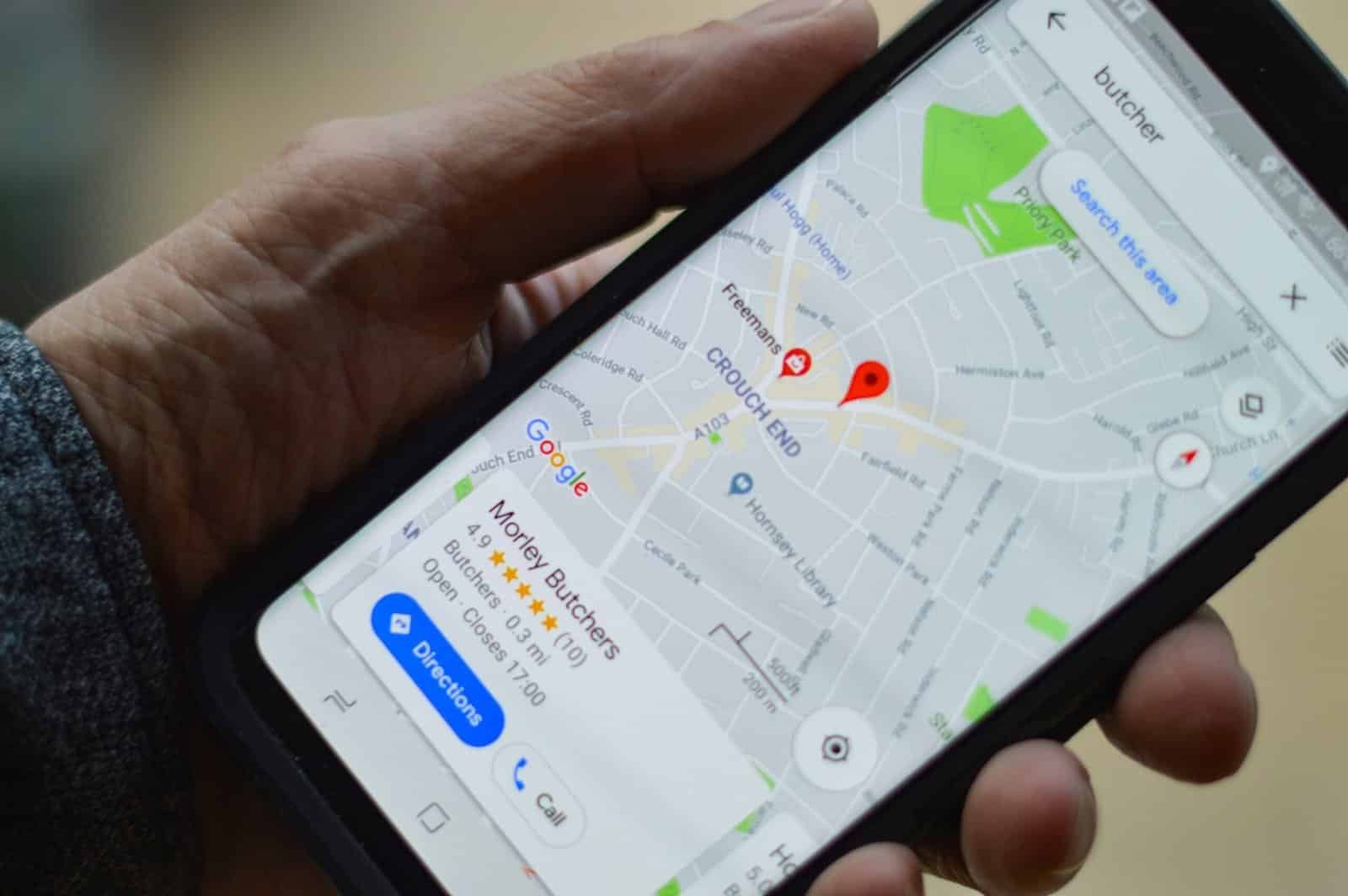
    person holding black smartphone

    Understanding Local SEO

    Local SEO, or local search engine optimization, refers to the process of optimizing a website to attract more business from relevant local searches. This specialized form of SEO focuses on enhancing visibility in local search results, which have become increasingly significant with the rise of mobile devices. When users conduct searches from their smartphones or tablets, they often seek nearby businesses or services, thereby highlighting the importance of local SEO for small business marketing.

    The primary aim of local SEO is to optimize a business’s presence on platforms such as Google My Business, ensuring that when potential customers search for local keywords related to their products or services, the business appears prominently. In essence, local SEO helps drive targeted traffic specifically from geographical areas where the business operates. This contrasts with traditional SEO, which often targets a broader audience without necessarily considering the geographical context.

    Moreover, local SEO strategies encompass various elements, including the integration of customer reviews, which play a crucial role in establishing credibility and attracting local clientele. Positive reviews not only enhance a business’s online reputation but also influence its ranking in local search results. Optimizing website content with local keywords helps search engines understand the geographic relevance of the business, thus elevating its visibility in local search queries.

    The shift towards local search results is evident, with statistics indicating that a significant percentage of searches include local intent. As consumers increasingly prefer finding solutions within their vicinity, small businesses that prioritize local SEO can reap substantial benefits. Effective local SEO strategies not only drive foot traffic to physical stores but also increase online engagement and overall visibility, marking a vital component in the digital marketing landscape for small businesses.

    Setting Up and Optimizing Google My Business

    Establishing a Google My Business (GMB) profile is a fundamental step for small businesses aiming to improve their local SEO and enhance online visibility. To create your GMB profile, begin by visiting the Google My Business website and clicking on the “Start now” button. You will need to enter your business name, address, and phone number, ensuring this information is accurate and consistent across all online platforms. This precision is critical as it reinforces your credibility and aids in search rankings.

    Once your business is listed, selecting the appropriate categories is vital. Categories help Google understand your business better and connect you with relevant local keywords. For instance, if you operate a bakery, you may choose primary categories like “Bakery” or “Dessert Shop.” It is crucial to select categories that accurately reflect your services to attract the right audience. Additionally, filling out all the available fields, including service areas, attributes, and operating hours, is significant in building a strong profile.

    Enhancing your GMB profile further requires the addition of high-quality images. Visual content is engaging and can significantly impact consumers’ first impressions. Upload photos that showcase your products, services, and the ambiance of your business. Regularly updating these images can keep your profile fresh and appealing, aiding in customer engagement and interest.

    Moreover, actively utilizing posts and updates on your GMB profile is essential. This feature enables small businesses to share news, promotions, and events, fostering a line of communication with potential customers. Equally important is responding to customer reviews. Engaging with reviews—both positive and negative—showcases your commitment to customer satisfaction, thereby strengthening your local SEO efforts. By implementing these strategies, small businesses can not only elevate their online presence but also significantly enhance their local search visibility, ultimately driving more traffic to their physical locations.

    Researching and Implementing Local Keywords

    Identifying and utilizing local keywords is a critical aspect of local SEO that small businesses can leverage to improve their online visibility. Local keywords are phrases and terms that potential customers might use when searching for services or products within a specific geographic area. The starting point for a systematic keyword search can be the use of various keyword research tools such as Google Keyword Planner, Ahrefs, or SEMrush, which help uncover local search volumes and trends.

    One effective strategy is to focus on long-tail keywords, which are typically three or more words long. These keywords tend to be less competitive and more specific, resulting in higher conversion rates. For example, instead of targeting a broad keyword like “coffee shop,” a local business might optimize for “best coffee shop in [your city].” This specificity not only appeals to local customers but also aligns with the intents of search engine algorithms, thus enhancing local search rankings.

    Another crucial factor is analyzing local search trends. Businesses can utilize tools like Google Trends to observe how local keywords are searched over time and during specific seasons or events. By understanding these trends, businesses can adjust their marketing strategies to align with peak search times, promoting their products or services effectively.

    Once suitable local keywords have been identified, the next step involves seamlessly incorporating these terms throughout the website’s content. This includes placement in vital areas such as meta descriptions, headers, and blog posts. By doing so, not only can businesses improve their visibility in search results, but they can also provide relevant context that enriches the user experience. Practicing thoughtful integration of local keywords will ultimately contribute to a comprehensive small business marketing strategy aimed at attracting and retaining local customers.

    Building Local Citations

    Building local citations is a crucial aspect of optimizing for local SEO, and it plays a significant role in enhancing the online visibility of small businesses. Essentially, a local citation refers to the online mentions of a business’s name, address, and phone number (NAP) on various directories, websites, or social media platforms. Consistent and accurate citations help search engines verify the legitimacy and location of a business, which can lead to improved rankings in local search results.

    To ensure effective local SEO, it is imperative that small businesses maintain consistency in their business information across all platforms. Any discrepancies in the NAP details can create confusion for both customers and search engines. Thus, careful monitoring of citations is essential. Small businesses should utilize a variety of high-authority local directories, such as Google My Business, Yelp, Bing Places, and industry-specific websites. Listing a business on these platforms enhances its credibility and allows for better visibility among local customers actively searching for services or products.

    Creating valuable citations not only aids in improving a business’s local SEO but also fosters trust with potential clients. This can be further bolstered by encouraging customer reviews, as positive feedback can enhance the overall reputation of the business. It is also important to avoid duplicate listings, as they can negatively impact a business’s online presence. Duplicate entries can dilute the effectiveness of local keywords and weaken the credibility of the listing, confounding potential customers and search engines alike.

    In cultivating local citations, small businesses should prioritize both quantity and quality. Ensuring that the business information is accurate and managing listings effectively across various platforms not only supports local SEO efforts but also paves the way for successful small business marketing in a competitive landscape.

    The Role of Customer Reviews in Local SEO

    Customer reviews have emerged as a significant factor in enhancing local SEO for small businesses. Search engines, especially Google, place considerable weight on consumer feedback, as it often reflects the quality of products and services offered. Positive reviews can boost a business’s visibility in local search results, helping it rank higher when users search for local keywords. Additionally, customer’s opinions can instill trust in potential clients. A business with numerous favorable reviews tends to be perceived as more trustworthy compared to one with fewer or negative reviews.

    To encourage customer reviews, small businesses can implement several strategies. One effective method is to ask satisfied customers directly for feedback after a positive interaction or transaction. This can be done through email follow-ups, customer satisfaction surveys, or even at the point of sale. Providing convenience is key; therefore, directing customers to your Google My Business page or specific review platforms can simplify the process. It can also be beneficial to create an incentive program, such as discounts or entry into a giveaway, to motivate customers to share their experiences.

    Responding to customer reviews, both positive and negative, is equally essential. Engaging with customers by acknowledging their feedback fosters a sense of community and shows that a business values its clientele. For instance, thanking customers for their positive reviews can enhance loyalty, while addressing negative feedback professionally can mitigate its impact and showcase commitment to customer satisfaction. Furthermore, when potential customers see a business actively engaging with its reviews, it can enhance credibility and incentivize them to choose that business over competitors.

    Incorporating these practices into small business marketing strategies allows owners to leverage customer reviews effectively and enhance their local SEO efforts, ultimately leading to increased visibility and business growth.

    Harnessing Social Media for Local Engagement

    In today’s digital landscape, the significance of social media in augmenting local SEO cannot be overstated. For small businesses, leveraging social media platforms offers a formidable opportunity to engage with the local community, promote their services, and enhance their online visibility. By effectively utilizing platforms such as Facebook, Instagram, and Twitter, businesses can create a strong local presence that resonates with their target audience.

    One effective strategy is to share local customer stories and testimonials. By showcasing satisfied customers and their experiences, businesses not only build trust but also enhance local keywords that potential customers are likely to search for. Consistently encouraging customers to leave reviews on both social media and Google My Business is vital, as these customer reviews not only serve as social proof but also significantly influence local SEO rankings.

    Moreover, promoting local events through social media is a practical approach to engage the community. Whether it’s a seasonal sale, a charity event, or a community get-together, sharing these initiatives can foster stronger connections and drive foot traffic to physical locations. When promoting these events, utilizing local hashtags and geotags can further amplify the reach. Being active in local conversations online helps create a sense of community, positioning the business as a key player in the area.

    To maximize the effectiveness of social media in local SEO efforts, businesses should aim to coordinate their social media strategies with their overall SEO strategies. This includes ensuring that posts are optimized with local keywords and consistently maintaining branding across platforms. Analytics provided by social media platforms can also guide businesses in understanding what content resonates best with their local audience, allowing them to tailor their efforts accordingly.

    Overall, through strategic social media engagement, small businesses can significantly enhance their local SEO efforts. By integrating community-centric content and utilizing potential keywords effectively, businesses not only improve their online visibility but also foster a loyal customer base.

    Creating Location-Specific Content

    Developing location-specific content is a critical component of local SEO that allows small businesses to connect with their target audience on a more personal level. By creating blog posts, articles, and social media content that reflects local events, news, and trends, small businesses can better engage with their community while enhancing their online visibility. One effective way to achieve this is by incorporating local keywords into your content strategy. These keywords should revolve around the specific area you serve, helping search engines associate your business with the local community.

    When creating localized content, it is beneficial to stay informed about important events in your area. For instance, writing about community festivals, local sports teams, or significant community developments allows you to demonstrate your business’s involvement in local affairs. By sharing insights on these topics through your blog or social media, you highlight your expertise in the area and build a relatable persona, fostering a sense of community. Coupling this with customer reviews can amplify the impact of your content, as these authentic endorsements can further enhance trust and credibility.

    Another effective strategy is to produce content that informs your audience about local resources, such as guides to local attractions or tips for navigating seasonal trends relevant to your area. Providing this value not only positions your business as a go-to resource but also increases the likelihood of your content being shared, amplifying your reach. Utilizing Google My Business can also enhance your local SEO efforts by regularly updating your profile with new posts reflecting your current offerings or local happenings.

    Incorporating these strategies allows small businesses to create a strong local presence. This tailored approach not only boosts online visibility in local search results but also reinforces the connection with customers, ultimately contributing to effective small business marketing.

    Monitoring and Analyzing Local SEO Performance

    Monitoring and analyzing local SEO performance is crucial for small businesses aiming to enhance their online visibility. By leveraging an assortment of tools, businesses can track their local search rankings, website traffic, and engagement metrics effectively. One essential tool for monitoring local SEO performance is Google My Business, which provides insightful data regarding customer interactions, including how users found the business, the volume of calls received, and directions requested. This data not only indicates performance but also helps identify areas needing improvement.

    Another effective method to assess local SEO success involves utilizing website analytics tools, such as Google Analytics. This platform enables business owners to evaluate the impact of local keywords on website traffic, providing valuable insights into user behavior and preferences. For instance, businesses can ascertain which local keywords drive traffic and conversions, thereby informing future small business marketing strategies. Furthermore, tracking engagement metrics, such as bounce rates and average session duration, can reveal how well visitors interact with the content, guiding necessary adjustments to better align with customer expectations.

    Understanding the significance of customer reviews is another vital aspect of monitoring local SEO performance. Reviews not only enhance credibility but also contribute to local rankings. Regularly surveying customer reviews and feedback can offer insights into the overall business reputation and help identify areas where improvements may be needed. By consolidating these metrics and analyzing patterns over time, small businesses can create data-driven strategies that refine their local SEO efforts.

    Ultimately, continuous monitoring and analysis allow businesses to adapt their strategies based on real-time performance insights, ensuring that local SEO initiatives remain effective and aligned with business objectives. This systematic approach not only ensures sustained growth but also contributes to a stronger online presence.

    Staying Updated with Local SEO Trends

    The landscape of local SEO is ever-evolving, and small businesses must adapt to maintain their online visibility effectively. Staying updated with the latest trends in local SEO is essential for optimizing Google My Business listings and selecting the right local keywords. Regularly monitoring changes in algorithms and consumer behavior can significantly impact a business’s success in small business marketing.

    One effective method to remain informed is by following industry blogs that specialize in local SEO. Websites such as Moz, Search Engine Journal, and HubSpot frequently publish insights on algorithm updates and emerging trends. These platforms not only provide educational content but often discuss practical strategies that can help small businesses enhance their online presence. Subscribing to newsletters or following them on social media accounts can also ensure that you receive real-time updates.

    Moreover, engaging in online courses dedicated to local SEO can deepen your understanding of search visibility mechanisms. Platforms like Coursera and Udemy offer a variety of courses tailored specifically for local SEO, often led by industry experts. These courses cover crucial elements such as optimizing Google My Business, leveraging customer reviews, and selecting impactful local keywords. Continuous learning through these programs can equip small business owners with the necessary knowledge to navigate the complexities of local search.

    Joining local SEO communities can further enhance your knowledge base. Participating in forums and groups on platforms like Reddit, Facebook, or LinkedIn provides opportunities to exchange information with other local business owners. Sharing experiences and discussing challenges can yield valuable insights into practical local SEO strategies that have worked for others. Ultimately, maintaining vigilance in the face of these changes is crucial for sustaining and enhancing online visibility amidst the constantly shifting dynamics of consumer search behavior.

  • Technology Marketing: Driving Innovation and Engagement

    Driving Innovation and Engagement

    Marketing in the technology sector is all about showcasing innovation and building trust in a rapidly evolving industry. With new products and solutions constantly emerging, effective marketing is key to standing out. Here’s a look at strategies that can make an impact, supported by relevant statistics.

    Key Strategies

    1. Content Marketing and Thought Leadership:
      • Statistics: 91% of B2B buyers prefer to consume content that is informative and relevant to their business (Source: Demand Gen Report).
      • Strategy: Create in-depth articles, whitepapers, and case studies that demonstrate your expertise and insights on industry trends. This can help establish your brand as a leader in the tech space.
    2. Webinars and Virtual Events:
      • Statistics: 73% of B2B marketers find webinars to be the most effective way to generate high-quality leads (Source: GoToWebinar).
      • Strategy: Host webinars and virtual events to showcase your products, discuss industry trends, and engage directly with your audience. This format allows for interactive learning and establishes a personal connection.
    3. SEO and Content Optimization:
      • Statistics: 93% of online experiences begin with a search engine, making SEO critical for visibility (Source: BrightEdge).
      • Strategy: Optimize your website and content for relevant keywords, focusing on both short-tail and long-tail keywords to capture a broad range of search queries. Regularly update your content to maintain relevance and authority.
    4. Utilizing Data and Analytics:
      • Statistics: Companies that use data-driven marketing are six times more likely to be profitable year-over-year (Source: Forbes).
      • Strategy: Use analytics to track and measure campaign performance, customer behavior, and market trends. Leverage this data to refine your marketing strategies and improve ROI.

    Bottom Line

    The technology sector thrives on innovation and thought leadership. By adopting these strategies and leveraging the latest statistics, tech companies can enhance their market presence and build a strong, loyal customer base.

  • Trends and Tactics to Win in a Competitive Market

    Trends and Tactics to Win in a Competitive Market

    The real estate market is ever-changing, influenced by economic trends, consumer behavior, and technology. Effective marketing strategies are essential for real estate professionals to connect with potential buyers and sellers. This blog explores the latest trends and tactics in real estate marketing, supported by key statistics.

    Key Strategies

    1. Digital Advertising and PPC Campaigns:
      • Statistics: Real estate digital ad spending in the U.S. was estimated at $19 billion in 2023, showing the sector’s heavy investment in online advertising (Source: eMarketer).
      • Strategy: Utilize PPC campaigns on Google and social media platforms to target potential buyers based on demographics, location, and interests. This can help increase visibility and attract more qualified leads.
    2. Virtual Tours and Augmented Reality (AR):
      • Statistics: Listings with virtual tours receive 87% more views than those without (Source: Realtor.com).
      • Strategy: Offer virtual tours and AR experiences to provide potential buyers with an immersive experience of properties. This technology is especially effective for out-of-town buyers and those looking for a more convenient viewing option.
    3. Email Marketing and CRM Tools:
      • Statistics: Email marketing has an average open rate of 28.3% in the real estate industry, making it a valuable tool for communication (Source: Mailchimp).
      • Strategy: Use email marketing to nurture leads, share market updates, and promote new listings. Integrate with a CRM tool to track interactions and tailor follow-up communication.
    4. Content Marketing and Local SEO:
      • Statistics: 90% of home buyers use online resources during their search process, with 52% starting with a search engine (Source: National Association of Realtors).
      • Strategy: Create content that focuses on local market trends, community highlights, and real estate tips. Optimize for local SEO to ensure your content reaches potential clients in your target area.

    Bottom Line

    Real estate marketing requires a blend of traditional and digital strategies to effectively reach and engage potential clients. By staying ahead of market trends and leveraging the latest technologies, real estate professionals can position themselves for success in a competitive landscape.

  • eCommerce Marketing: Tactics to Boost Sales and Customer Engagement

    Tactics to Boost Sales and Customer Engagement

    The e-commerce industry is booming, with online sales expected to reach $6.4 trillion by 2024 (Source: Statista). With growing competition, businesses must adopt effective marketing strategies to attract and retain customers. Here’s how you can make your e-commerce marketing stand out, backed by key statistics.

    Key Strategies

    1. Personalization and Customer Segmentation:
      • Statistics: Personalized emails generate six times higher transaction rates than non-personalized ones (Source: Experian).
      • Strategy: Use data analytics to segment customers based on behavior, preferences, and purchase history. Deliver personalized content and offers to improve engagement and conversion rates.
    2. Email Marketing and Automation:
      • Statistics: Email marketing delivers an average ROI of $42 for every $1 spent (Source: DMA).
      • Strategy: Develop targeted email campaigns that include abandoned cart reminders, product recommendations, and special promotions. Automation can help streamline this process and maintain consistent communication.
    3. Influencer Marketing and Social Proof:
      • Statistics: 89% of marketers say ROI from influencer marketing is comparable to or better than other channels (Source: Influencer Marketing Hub).
      • Strategy: Partner with influencers who align with your brand to reach a broader audience. Encourage customers to leave reviews and share user-generated content to build trust and social proof.
    4. Mobile Optimization:
      • Statistics: Mobile commerce is projected to account for 72.9% of all e-commerce sales by 2024 (Source: Statista).
      • Strategy: Ensure your website is mobile-friendly, with fast loading times and easy navigation. Consider developing a mobile app to enhance the shopping experience further.

    Bottom Line

    E-commerce marketing requires a multifaceted approach that combines personalization, automation, and strategic partnerships. By understanding the latest trends and utilizing data-driven strategies, businesses can maximize their reach and revenue.

  • Legal Marketing: Navigating the Challenges and Opportunities in 2024

    Legal Marketing: Navigating the Challenges and Opportunities in 2024

    The legal sector is highly competitive, with firms vying for visibility and credibility in a crowded marketplace. Effective marketing is essential for attracting and retaining clients. This blog explores key marketing strategies for law firms, supported by recent statistics.

    Key Strategies

    1. Thought Leadership and Content Creation:
      • Statistics: 73% of potential clients find law firms via online content, such as blogs and articles (Source: Clio Legal Trends Report).
      • Strategy: Position your firm as a thought leader by regularly publishing insightful content on legal trends, case studies, and legislative changes. High-quality content can drive traffic and establish credibility.
    2. Search Engine Marketing (SEM) and Pay-Per-Click (PPC) Advertising:
      • Statistics: Paid search ads can increase traffic to legal websites by 40% (Source: Google).
      • Strategy: Invest in PPC campaigns targeting relevant keywords. Since potential clients often search for legal services in times of need, being visible at the top of search results is crucial.
    3. Client Reviews and Testimonials:
      • Statistics: 84% of people trust online reviews as much as personal recommendations (Source: BrightLocal).
      • Strategy: Encourage satisfied clients to leave positive reviews on platforms like Google and Avvo. Testimonials can significantly influence the decision-making process for potential clients.
    4. Social Media and Online Presence:
      • Statistics: 96% of lawyers use social media, with 70% reporting it helps attract new clients (Source: American Bar Association).
      • Strategy: Maintain a strong social media presence on platforms like LinkedIn and Twitter. Share news, updates, and thought leadership content to engage with your audience and expand your reach.

    Bottom Line

    Legal marketing requires a strategic approach, combining digital marketing techniques with a deep understanding of client needs and behaviors. By leveraging these strategies and staying updated on industry trends, law firms can effectively enhance their visibility and attract more clients.

  • Marketing in the Healthcare Sector

    Marketing in the Healthcare Sector

    Marketing in the healthcare sector is unlike any other field. It involves navigating complex regulations, ethical considerations, and a highly informed audience. Despite these challenges, effective marketing can significantly impact patient engagement and organizational growth. Let’s explore key strategies for healthcare marketing, backed by statistics.

    Key Strategies

    1. Content Marketing and Education:
      • Statistics: Healthcare content consumption has grown by 44% since 2020, with 62% of consumers reporting they rely on online content for health-related decisions (Source: Content Marketing Institute).
      • Strategy: Develop a robust content marketing strategy that includes blogs, webinars, and infographics focused on patient education. Providing valuable information can help establish your brand as a trustworthy source.
    2. Search Engine Optimization (SEO):
      • Statistics: Over 70% of patients search online for health-related information before making an appointment (Source: Pew Research Center).
      • Strategy: Optimize your website and content for search engines to ensure potential patients find your services. Use keywords relevant to your specialties and geographic location.
    3. Social Media Engagement:
      • Statistics: 60% of social media users trust posts from doctors and healthcare professionals (Source: PwC Health Research Institute).
      • Strategy: Leverage social media platforms to engage with patients, share health tips, and provide updates on services. Consider video content, as it’s 40% more likely to be shared on social media than other types of content (Source: HubSpot).
    4. Personalization and Patient-Centric Marketing:
      • Statistics: Personalized marketing can increase patient engagement by 30% and improve satisfaction rates (Source: Accenture).
      • Strategy: Use data analytics to personalize communication, from appointment reminders to health tips tailored to individual needs.

    Bottom Line

    By incorporating these strategies, healthcare providers can effectively reach and engage patients, enhancing both brand reputation and patient outcomes. Staying informed about the latest trends and statistics will ensure your marketing efforts are both relevant and impactful.